Beginner's Guide
to Energy Efficiency
Starting from scratch? Use this guide to get started with improving your building's energy efficiency. No matter where you are in your journey, find the measures best suited to your building and goals.
Page Navigation:
Why Pursue Energy Efficiency?
Illinois buildings use a lot of energy—and that has real consequences for costs, comfort, and compliance. Buildings are responsible for a significant share of our state’s energy consumption and
greenhouse gas emissions. For building owners and managers,
improving energy performance is one of the most practical steps you can take—cutting operating costs, improving tenant comfort, and staying ahead of evolving energy requirements. This guide gives you a clear, step-by-step path to measuring and managing your building’s energy use, starting with benchmarking.
1. Benchmark your
building's energy use.
You can't manage your building's performance unless you measure it. Benchmark key building data to track your building's performance over time.
Navigation:
What is Energy Benchmarking?
Energy benchmarking involves tracking your building’s energy use and comparing it against similar buildings and your own past performance. It’s how you find out where you stand—and where you can improve.
Learn more
here.
How to Start Benchmarking
Use the ENERGY STAR Portfolio Manager—a free tool from the EPA—to benchmark your building’s energy, water, and waste performance. Get started at
ENERGY STAR Benchmarking.
2. Tackle no-cost
and low-cost improvements.
Start with the low-hanging fruit. Implement the below measures to improve efficiency with low to no cost, and save some money while you're at it!
Navigation:
Check your building control schedules.
Building Controls
Make sure your building controls or automation system is scheduled correctly—so you’re not heating, cooling, or lighting empty spaces. Check out this webinar from Slipstream.
Programmable Thermostats
No automation system? Install programmable or smart thermostats and make sure occupants know the standard set points.
Regular preventative maintenance.
Routine maintenance is one of the simplest ways to keep energy costs in check.
Replace air filters, clean evaporator and condenser coils, and tune up systems per manufacturer recommendations. Done consistently, these steps can cut energy costs by 5–20% annually.
Address plug loads.
Plug and Process Loads (PPL)
Nearly a third of electricity in U.S. commercial buildings goes to devices like computers and printers. Turn off unused equipment, enable power management settings, and reduce unnecessary plug loads. Learn more here.
Encourage energy-efficient behavior.
Occupant behavior has a bigger impact on energy use than most people realize. Encourage employees to turn off lights and equipment, and share your energy goals with the whole building. Check out the Hub Tech Primer Plug Loads and Tenant Energy Use Reduction to explore additional strategies.
Weatherize and reduce air infiltration.
Seal Air Gaps
Seal doors and windows with weatherstripping and caulking, and keep roof and freight entrances closed when not in use. Review the Hub Tech Primers on High Performance Windows and Wall Insulation for more ideas.
Upgrade your lighting.
LED Lighting
LEDs deliver significant energy savings on their own—add occupancy sensors and daylight-responsive controls and you’ll save even more.
Incentives:
- ComEd's free Facility Assessment includes lighting.
- Ameren offers incentives on LED upgrades.
Optimize existing building systems.
Get an energy audit.
An energy audit identifies where your building is losing energy—and what it will cost to fix it. You’ll get a clear picture of savings opportunities, payback timelines, and available incentives and rebates.
Free energy assessments are available through Illinois utilities:
- Ameren Energy Efficiency Program's Energy Consultation
- ComEd Energy Efficiency Program's Facility Assessment
- People’s Gas Energy Efficiency Program's Energy Assessment
- Nicor's Energy Assessment
There are three types of energy audits, established as industry standards by ASHRAE (American Society of Heating, Refrigerating and Air-Conditioning Engineers). Here’s what each one covers, from simplest to most detailed.
- Walkthrough Audit (ASHRAE Level I Audit). Provides an initial, quick walkthrough of the building and its systems, plus a review of utility bills. Gives you a high-level snapshot of no- or low-cost savings opportunities—a solid starting point.
- Detailed Audit (ASHRAE Level II Audit). A deeper dive—fuel-use analysis combined with on-site staff interviews—to identify the measures with the greatest energy savings and financial return.
- Investment Grade Audit (ASHRAE Level III Audit). A comprehensive engineering analysis of major capital investments, with detailed financial modeling to support decision-making.
3. Implement medium-cost measures and long-term investments.
Over the medium and longer term, you can explore the below measures to further improve building performance and future-proof your building.
Navigation:
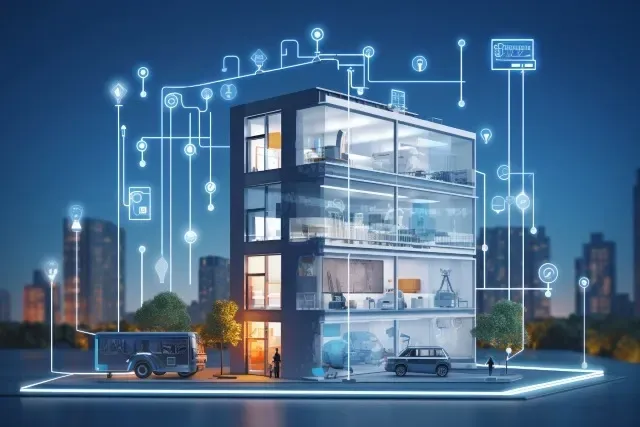
Building Automation Systems (BAS)
If your building doesn’t have a BAS, now is the time to look into one. Installing or upgrading to a BAS gives you centralized control over your building’s systems—making it easier to manage energy use, catch problems early, and improve performance across the board.
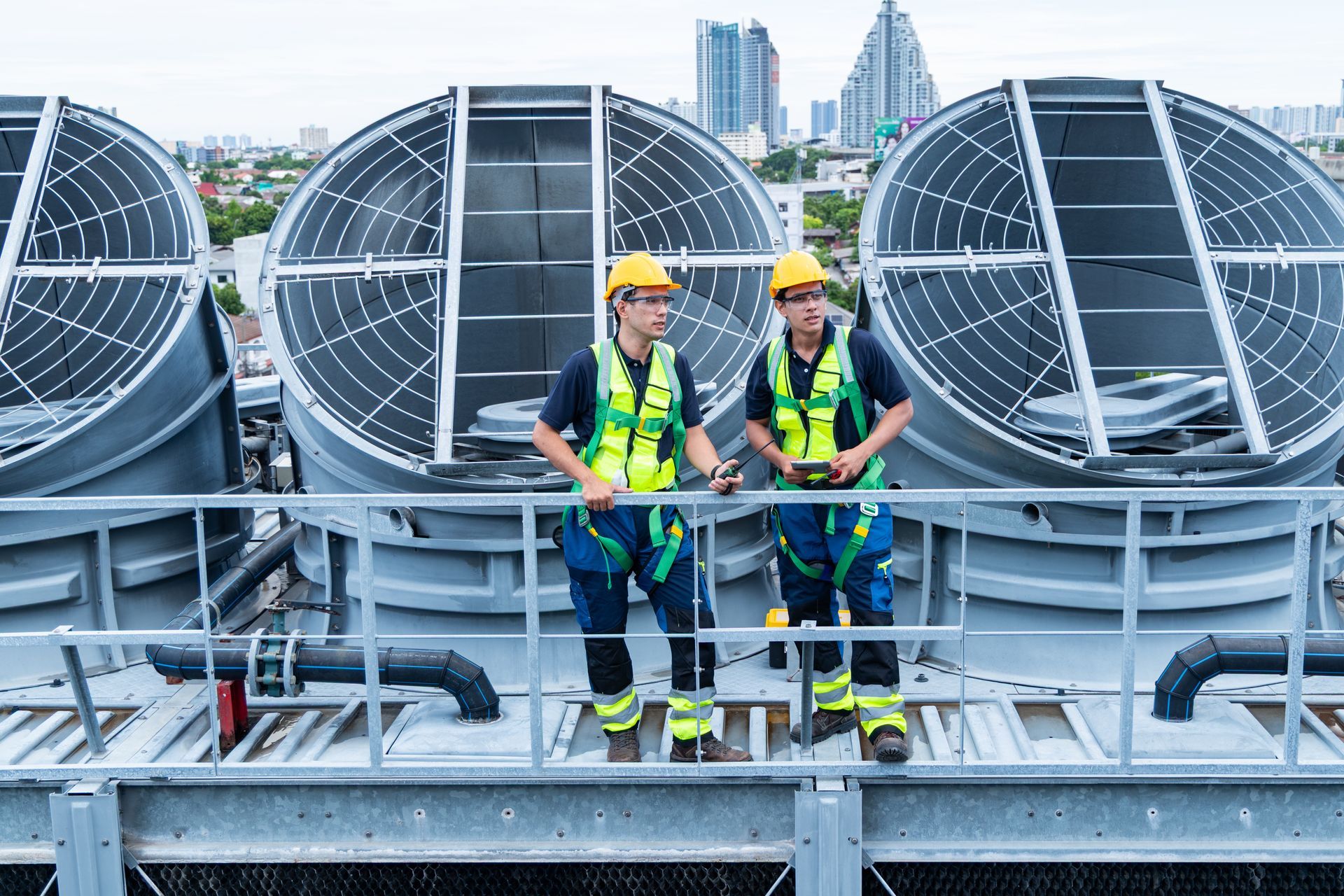
HVAC Upgrades:
HVAC accounts for more energy use than any other building system. When it’s time for a renovation or end-of-life replacement, upgrading to more efficient equipment is one of the highest-impact investments you can make. Explore your options at the Hub Technology Primer webpage.
Variable Frequency Drives (VFDs):
Adding VFDs to motors—pumps, fans, and similar equipment—lets them run at the speed the job actually requires, rather than full power all the time.
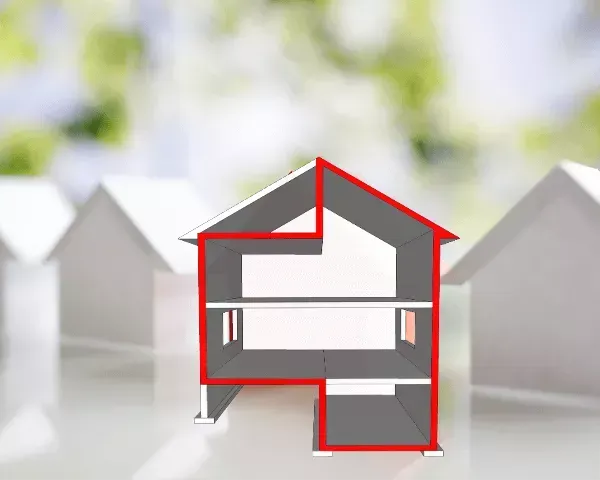
Insulation and Roofing:
Renovation projects are a good opportunity to improve insulation and cut heating and cooling loads. Reflective “cool” roofs are also worth considering—they reduce heat gain during summer months and ease the burden on your HVAC system. Review the Hub Tech Primer on Wall Insulation.
Windows:
Single-pane windows are a significant source of energy loss. Replace them when possible, or apply Low-E film to improve the performance of what you already have. Review the Hub Tech Primer on High Performance Windows.
4. Explore financing options
and additional investments.
Explore financing options to support building improvement measures and invest in training and certification for yourself and your staff to continue your building performance journey.
Navigation:
Funding Your Projects:
Incentives and Financing
- ComEd Energy Efficiency Program offers business energy efficiency incentives. Contact them here.
- People’s Gas Energy Efficiency programs are available for both commercial and multi-family projects. Learn more here.
- Nicor Ways to Save includes incentives and rebates for eligible buildings. Learn more here.
- Ameren Energy-Saving Solutions
has options for a range of business and building types. Learn more
here.
Invest in Your Building Staff:
Training & Certification Opportunities
- Building Operator Certification (BOC)
BOC training gives building operators the skills to improve energy performance and reduce operational costs. Learn more at BOC Central.
- Green Professional Skills (GPRO)
The GPRO Operations & Maintenance course delivers practical strategies for improving building efficiency—ideal for facility managers and engineers. Find upcoming courses at GPRO Training.

Choosing the Right Contractor is Important:
The Building Energy Hub has a variety of Contractor Lists for all building retrofit needs,
find them here.
5. Additional Resources
Explore additional resources and next steps for your building decarbonization and improvement journey.
Explore Other Resources
Continue to learn about energy efficiency opportunities in your building. Check out these Hub Education offerings:
- Electrification 101
- Greenhouse Gas Emissions 101
- Operations & Maintenance 101
- All of our on-demand education can be found here.
Checklist Steps:
Connect with The Building Energy Hub
Ready to take the next step? The Building Energy Hub connects building professionals, contractors, and retrofit specialists with the technical expertise, financial resources, and peer networks they need to get results. Launched in 2023 as a project of Illinois Green Alliance, our work is built on partnerships focused on reducing energy use and future-proofing buildings across Illinois.
Explore what The Hub has to offer and move your project forward.
This material is based upon work supported by the U.S. Department of Energy’s Office of Energy Efficiency and Renewable Energy (EERE) under the Building Technologies Office Award Number DE-EE0010930. (DOE-ELEVATE-0010930-10)